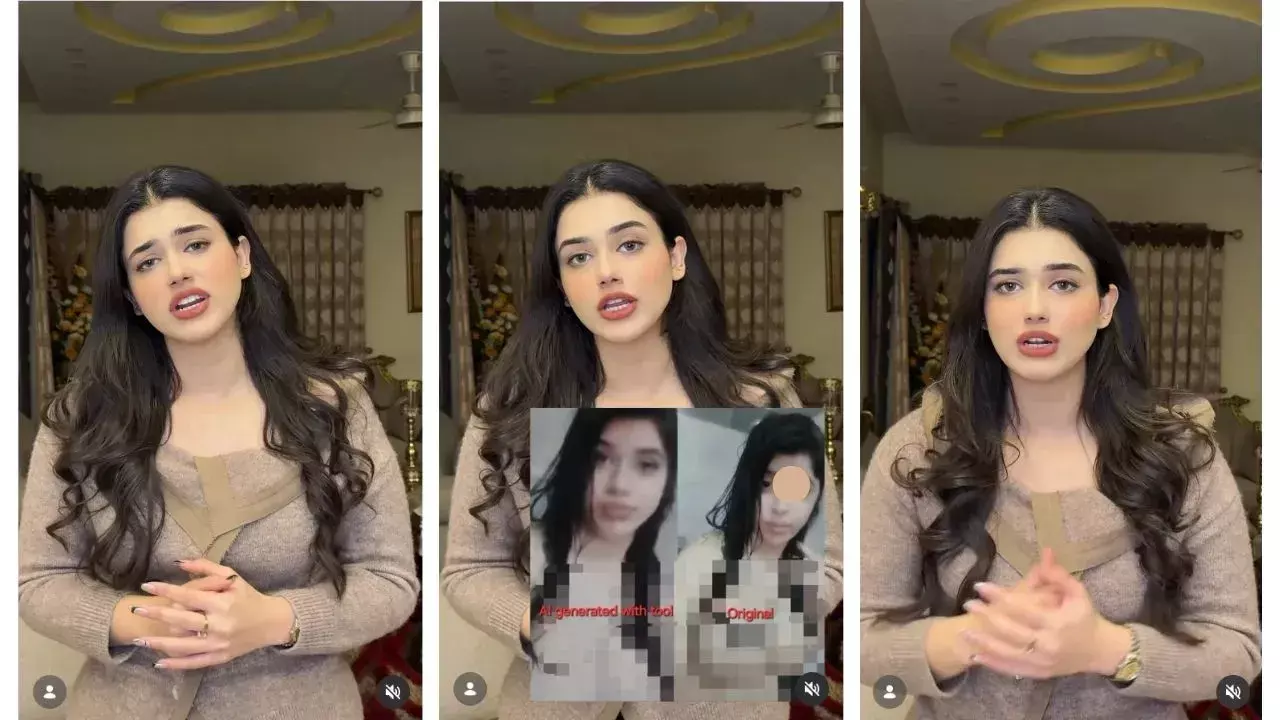
The Truth Behind the MMS
Key Takeaways
- Verdict: The circulating “Alina Amir MMS” is widely confirmed to be an AI-generated deepfake, not authentic footage.
- The “MMS” Tactic: Scammers use the term “MMS leak” to trigger curiosity, often leading to malware or phishing sites rather than actual video content.
- Spotting the Fake: Key indicators include unnatural blinking patterns, mismatched lip-syncing, and “glitching” around the jawline or hair.
You’ve seen the hashtags. You’ve likely seen the blurry thumbnails scattered across X (formerly Twitter) or TikTok. The internet is currently in a frenzy over the “Alina Amir viral video,” with search volumes spiking for what claims to be a leaked MMS.
But before you click that suspicious link or share that post, stop.
What you are witnessing isn’t a scandalous leak; it is a textbook example of the modern “Deepfake Clickbait” ecosystem. In our analysis of digital trends, we are seeing a massive surge in AI-generated content targeting influencers, designed specifically to deceive viewers and harvest clicks.
Let’s cut through the noise. We are going to break down exactly what is happening with the Alina Amir controversy, how this “fake MMS” technology works, and why your digital literacy is the only thing standing between you and a malware infection.
The Anatomy of the Alina Amir Controversy
To understand why this specific video went viral, we have to look at the mechanics of the rumor mill. Alina Amir, like many public figures, has a significant following. This makes her a prime target for what security experts call “Identity Hijacking.”
The narrative follows a predictable script:
- The Hook: Anonymous bot accounts flood social media with claims of a “leaked MMS.”
- The Bait: A blurry, low-resolution video snippet is released. The low quality is intentional—it hides the imperfections of the AI tools used to create it.
- The Switch: Users clicking links to see the “full video” are redirected to ad-farms, betting sites, or phishing portals.
In this specific case, the video in question exhibits the classic hallmarks of a Face Swap. This isn’t a video of Alina Amir; it is likely a video of an entirely different person (or an adult film actor) with Alina’s facial features digitally superimposed using machine learning algorithms.
Deepfakes vs. Reality: How We Analyzed the Footage
Practically speaking, how can we tell this is AI and not a genuine recording? When we analyze viral clips like the Alina Amir video, we look for specific “artifacts”—glitches left behind by the rendering software.
If you encounter the clip, look for these three technical red flags:
1. The “Mask” Effect (Jawline Glitches)
AI face-swapping technology often struggles to blend the superimposed face with the original head shape. In the viral clips attributed to Alina Amir, if you look closely at the jawline and the neck, you will often see a blurring effect or a slight disconnect. It looks like a high-tech mask that doesn’t fit perfectly.
2. The Dead Eye Stare
While AI has mastered static images, it still struggles with the biomechanics of human movement. In many “fake MMS” videos, the subject’s blinking is irregular or non-existent. The eyes may look vacant or fail to track movement naturally. This is often the first sign that you are looking at a synthesis, not a human.
3. Lip-Sync Latency
Does the audio match the mouth movement perfectly? In deepfakes, the mouth often moves in a “rubbery” way. The AI is trying to warp the image to match a sound or a movement, resulting in unnatural stretching of the lips.
Why “Fake MMS” is the New Clickbait
You might be wondering, why use the term “MMS”? Multimedia Messaging Service (MMS) is practically ancient technology in the age of WhatsApp and Telegram.
However, in the world of Black Hat SEO and scamming, “MMS” is a trigger word. It implies a private, file-to-file transfer that was intercepted. It suggests raw, unedited authenticity.
A common mistake we see users make is assuming that because a video is labeled “leaked MMS,” it must be real. The reality is the opposite. The term is almost exclusively used now as a marketing tag for:
- CPA (Cost Per Action) Scams: You have to fill out a survey to “unlock” the video.
- Malware Injection: The link downloads a trojan to your device.
- Engagement Farming: Bots use the controversy to gain followers on social platforms.
The Human Cost: AI and Digital Consent
Beyond the technical analysis, it is crucial to address the ethical elephant in the room. The Alina Amir AI viral video represents a violation of digital rights.
This is known as NCII (Non-Consensual Intimate Imagery). Even though the video is fake, the intent is to humiliate the subject and exploit their likeness. When we share or search for these videos, we inadvertently fuel the demand for the software that creates them.

From a reputation management perspective, this is a nightmare for influencers. Proving a video is fake takes time, but the internet moves instantly. By the time the debunking happens, the damage to the personal brand is often done.
How to Protect Yourself (and Stop the Spread)
If you see the Alina Amir video or similar “leaked” content on your feed, here is your action plan:
- Do Not Click Suspicious Links: If a URL uses a link shortener or redirects you to a “verify you are human” page, exit immediately.
- Report the Content: Most platforms (X, Instagram, TikTok) have updated their policies to ban AI-generated deepfakes and non-consensual content. Reporting it helps train their moderation algorithms.
- Check the Source: Is the video coming from a verified news outlet or a random account with “User12345” as the handle? Credibility matters.
Conclusion
The Alina Amir AI viral video is not a leak; it is a fabrication. It is a byproduct of accessible AI technology clashing with malicious intent.
While the technology behind deepfakes is becoming more sophisticated, the flaws are still visible if you know where to look. By understanding the mechanics of the “fake MMS” trend, you not only protect your own device from security threats but also refuse to participate in the exploitation of digital identities.
Stay skeptical, stay safe, and don’t feed the trolls.
Frequently Asked Questions (FAQ)
Q: Is the Alina Amir viral video real?
A: No. Analysis suggests the video is an AI-generated deepfake. It uses face-swapping technology to superimpose her features onto another video source.
Q: What is a “Fake MMS”?
A: “Fake MMS” is a term used by scammers to describe deepfake videos or clickbait links. They use the term to make the content sound like a private leak to entice users to click.
Q: Can clicking on the Alina Amir video link hack my phone?
A: Yes, it is a high risk. Many links claiming to host the “full video” are phishing scams designed to install malware, steal personal data, or force you to view ads.
Q: How can I tell if a video is an AI deepfake?
A: Look for unnatural blinking, blurring around the face/neck boundary, inconsistent lighting, and audio that doesn’t perfectly sync with lip movements.
Q: Is it illegal to make these videos?
A: Laws vary by country, but many jurisdictions are enacting strict laws against Non-Consensual Intimate Imagery (NCII) and digital impersonation, making the creation and distribution of such deepfakes a criminal offense